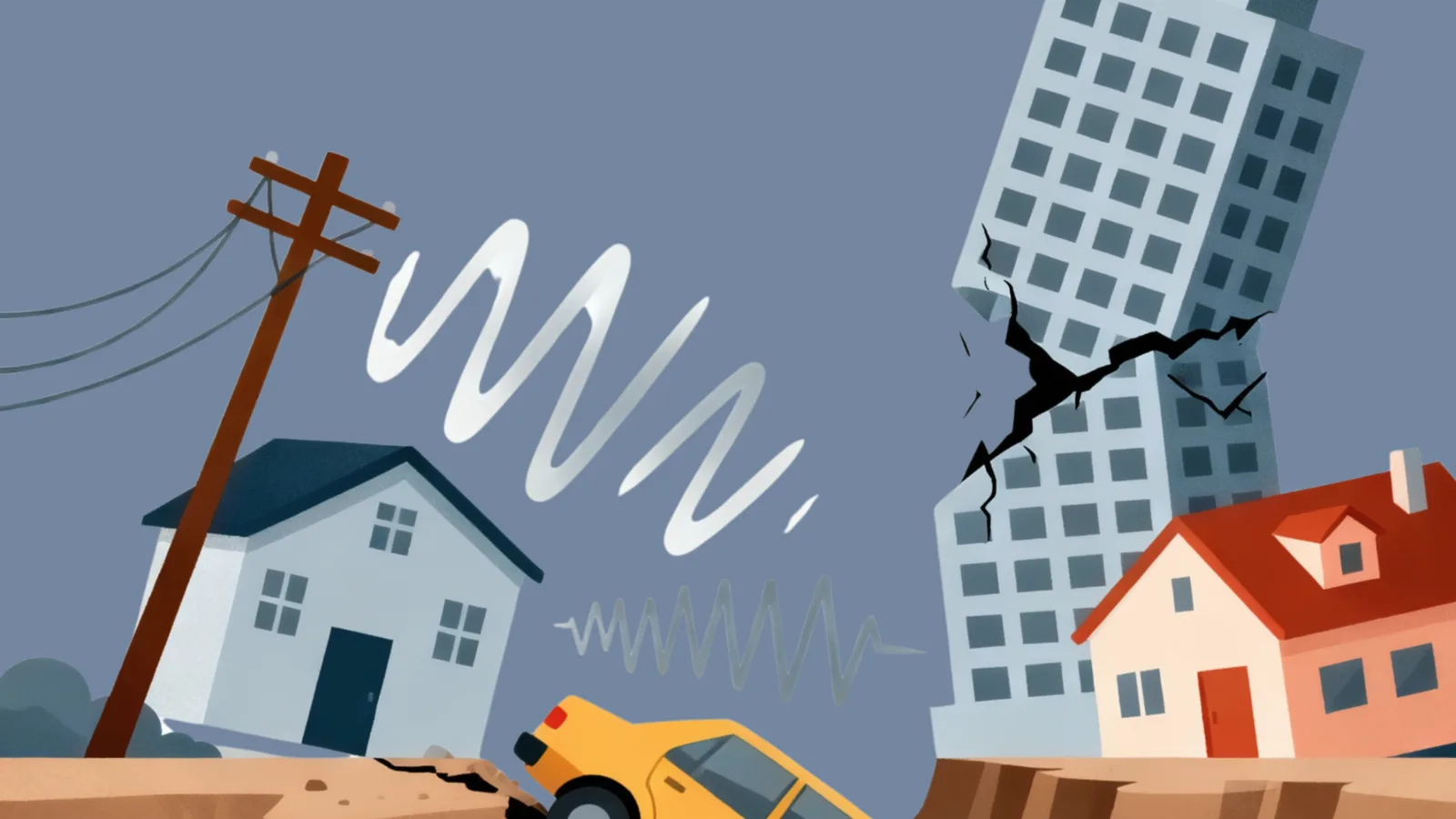
When a property suffers major damage, the problem is rarely just the visible mess. Water has already moved behind walls. Smoke has traveled through HVAC systems and stairwells. A roof failure has exposed multiple rooms to Florida's humidity, which can rapidly degrade materials. In these situations, owners and managers are not only focused on repairs—they are also managing business interruption, occupant safety, insurance requirements, and making critical decisions under pressure.
This is where large loss claim management in Florida comes into play. Large loss projects require a structured plan, disciplined documentation, and teams that can scale efficiently without turning the jobsite into chaos. In Florida, this also means navigating heat, rain cycles, storm-related supply constraints, and strict building codes in many coastal areas. The objective is not just to repair damage, it is to restore functionality, protect property value, and get people back into safe, usable spaces with minimal surprises.
Defining What Counts As A Large Loss Event
Large loss restoration generally refers to high-severity property damage that affects a large footprint, multiple systems, or multiple occupants. It can involve commercial properties, multi-family buildings, high-end homes, and community facilities. What makes it "large" is not only the price tag. It is the complexity of managing many moving parts at once.
Large loss events often include:
- Major water losses across multiple floors or suites
- Structure fires with smoke spread beyond the burn area
- Storm damage that compromises roofing, windows, and building envelope
- Mold conditions tied to delayed drying or widespread moisture intrusion
- Industrial or equipment failures that create contamination risks
These projects quickly outgrow a small crew and a simple estimate. They require a real management system with daily coordination, safety controls, and tight scheduling across trades.
Why Florida Large Loss Projects Are Their Own Category
Florida adds unique challenges to major restoration work. Warm temperatures accelerate moisture-related deterioration. Humidity makes drying and material storage harder. Storm seasons create spikes in demand, which can affect lead times for equipment, labor, and materials.
Large properties in Florida often have additional constraints, such as:
- Coastal corrosion concerns for metal systems and fasteners
- High-rise access logistics for equipment and waste removal
- Strict HOA or property management rules for noise and access
- Permitting and inspection steps that can slow rebuild phases
Because large loss situations affect many people at once, communication becomes a major part of the job. A well-managed project keeps residents, tenants, and business owners informed without flooding them with confusing details.
How Large Loss Restoration Is Managed From Day One
Large loss work is best managed like a formal project, not a reactive clean-up. The early phase sets the tone for the entire job. The first goal is safety and stabilization. The second is creating a clear scope that can be defended with documentation.
Most effective large loss plans include:
- Site safety controls, access logs, and hazard assessments
- Immediate containment to prevent secondary damage
- Moisture mapping, thermal imaging, and targeted demolition
- Daily jobsite documentation, photos, and progress notes
- A phased plan that restores critical functions before cosmetic finishes
Large loss restoration also relies on a strong chain of command. Someone must own decisions and timelines, and that person must coordinate with the adjuster, owner, property manager, and trades. When leadership is unclear, work slows, costs rise, and trust erodes fast.
The First 72 Hours: Stabilization, Triage, And Documentation
The first few days are where large losses either get organized or start to spiral. It is not the time for guesswork. It is the time for action that can be documented and justified.
Early steps often include:
- Stopping the source of damage (water shutoff, temporary roof tarp, board-up)
- Prioritizing life-safety issues (electrical hazards, structural concerns, air quality)
- Setting drying equipment and containment barriers
- Protecting unaffected areas with floor coverings and negative air filtration
- Beginning contents handling, pack-outs, and inventory when needed
A major mistake in large losses is delaying drying or soot cleaning while waiting for paperwork. Work still needs to move. The solution is to document everything clearly so the insurer can understand why each step was necessary.
Working With A Remediation Company In Florida For Major Losses
Remediation is the controlled removal and cleanup phase that makes rebuilding possible. In large losses, remediation is often the highest-impact phase because it prevents secondary problems like mold, odor, and hidden material failure.
A strong remediation company in Florida typically brings the scale and systems needed for major jobs, such as:
- Commercial-grade drying equipment and dehumidification planning
- Containment engineering to keep dust and contaminants controlled
- HEPA filtration plans for occupied buildings and sensitive environments
- Demolition planning that protects structural elements and shared systems
- Detailed moisture logs and daily reporting that supports claim files
Florida projects benefit from remediation teams that understand humid conditions and can adapt drying strategies quickly. Large buildings often require zone-based drying plans so you do not waste time and energy treating the whole structure the same way when only certain sections are saturated.
How Claims And Budget Control Work In Large Loss Projects
Insurance often covers a portion of large loss costs, but the claim process can create delays if the project is not managed with discipline. Large losses also tend to generate change orders, because hidden damage is common once demolition begins.
Owners and managers stay in control when they use:
- Itemized estimates with room-by-room scope breakdowns
- Clear allowances for materials that may fluctuate in price
- Written change order approvals tied to photos and field notes
- A schedule that is updated weekly with realistic milestones
- Regular claim communication that keeps the adjuster aligned with progress
Large loss budgets also require tracking for temporary expenses like security, water mitigation utilities, and temporary repairs. These items can be reimbursable, but only if documented clearly and tied to the loss.
What Large Loss Handling In Florida Looks Like In Practice
Large losses are often managed as phased projects, especially in occupied properties or multi-tenant buildings. Large loss handling in Florida usually includes both technical work and people management, because you are restoring a property while protecting daily life and business operations.
Effective handling often includes:
- Setting restoration zones to keep occupants away from hazards
- Scheduling noisy or disruptive work during approved hours
- Communicating access windows for unit entry and inspections
- Coordinating elevator use, parking, and material staging
- Maintaining clean pathways and daily cleanup routines
This approach reduces conflict and keeps work moving. When occupants feel informed and respected, they are less likely to block access or escalate complaints. That can make a measurable difference in project speed.
Coordinating Rebuild With Home Restoration Services In Florida
After remediation, reconstruction begins. In large losses, rebuild often involves multiple trades working in a tight sequence. Poor coordination can lead to rework, missed inspections, and delays that affect occupancy timelines.
Home restoration services in Florida for large losses commonly include:
- Drywall and insulation replacement after removal
- Flooring replacement and subfloor repairs
- Electrical and plumbing repairs tied to damaged runs and fixtures
- Cabinetry reset, replacement, or refinishing
- Painting, trim carpentry, and finish restoration across large areas
Rebuild planning should also account for Florida-specific material choices. Some finishes handle humidity better than others. Selecting materials that resist moisture and wear can reduce future claims and maintenance costs, especially in coastal or storm-prone regions.
When Full Service Restoration In Florida Makes The Biggest Difference
Large loss projects often stall when work is split among too many vendors with no single point of accountability. A unified approach can reduce delays, streamline communication, and keep documentation consistent across phases.
Full service restoration in Florida can be especially helpful when:
- The loss affects multiple systems, floors, or buildings
- You need one schedule that controls remediation and rebuild
- The property is occupied and requires strict access management
- The claim requires detailed reporting from start to finish
- You want fewer handoffs between contractors and trades
This model also helps reduce finger-pointing. When one team owns outcomes from cleanup through completion, the project tends to move with fewer gaps and fewer surprises.
Where Restoration Services Fit In A Large Loss Situation
Not every large loss requires full restoration, but most major property events depend on professional restoration services to stabilize the structure and return it to pre-loss condition. The key is separating emergency mitigation and restoration work from any elective improvements so the insurance claim remains clear and accurate.
Restoration services typically come into play when:
- Water, fire, or storm damage requires immediate mitigation to prevent further loss
- Structural components need repair or replacement to restore the property to pre-loss condition
- Smoke, mold, or contamination must be professionally remediated
- Large areas of the property require coordinated drying, cleaning, and reconstruction
- Safety hazards must be addressed before rebuilding can begin
In large loss scenarios, restoration teams focus on damage mitigation, structural stabilization, and returning the property to its original condition. Keeping restoration work clearly documented helps insurers evaluate the scope of loss and ensures the claim process stays organized and efficient.
Staffing, Safety, And Quality Control On Large Loss Jobsites
Large losses can involve large crews, multiple subcontractors, and long workdays. Quality drops when oversight is weak. Safety problems create delays and risk. A well-run site has clear standards and steady supervision.
Strong large loss management includes:
- Daily safety briefings and documented hazard controls
- A clear chain of command for questions and approvals
- Regular inspections of moisture levels before closing walls
- Photo verification for hidden work like insulation and electrical runs
- Punch lists that are handled in phases instead of at the very end
Quality control is also about protecting the owner's timeline. If you close walls before materials are dry or cleaned properly, you can end up reopening work. That is expensive and frustrating, and it can create ongoing odor or microbial issues.
Preventing Future Major Losses In Florida Properties
Large loss events can become a turning point. After restoration, many owners review what caused the damage and what could reduce the chance of a repeat event. This is where practical prevention strategies can pay off.
Common risk-reduction steps include:
- Leak detection sensors for mechanical rooms and riser closets
- Routine plumbing inspections, especially in older multi-story buildings
- Roof maintenance plans that include sealant and flashing checks
- Fire safety education for tenants, plus regular system testing
- Emergency contact lists and pre-approved vendor relationships
Prevention also helps with insurance conversations. Carriers and brokers tend to respond better when owners can show active risk management, not only reactive repairs.
Closing Takeaway For Property Owners And Managers
Major damage tests decision-making, communication, and vendor performance all at once. Large loss restoration works best when the project is treated like a structured build, with clear phases, strong documentation, and steady leadership. If you manage property in Florida, having a plan before the next loss can reduce downtime, protect occupants, and help your budget stay predictable. Even small steps like tightening emergency procedures and clarifying vendor roles can make the next response faster and less stressful.