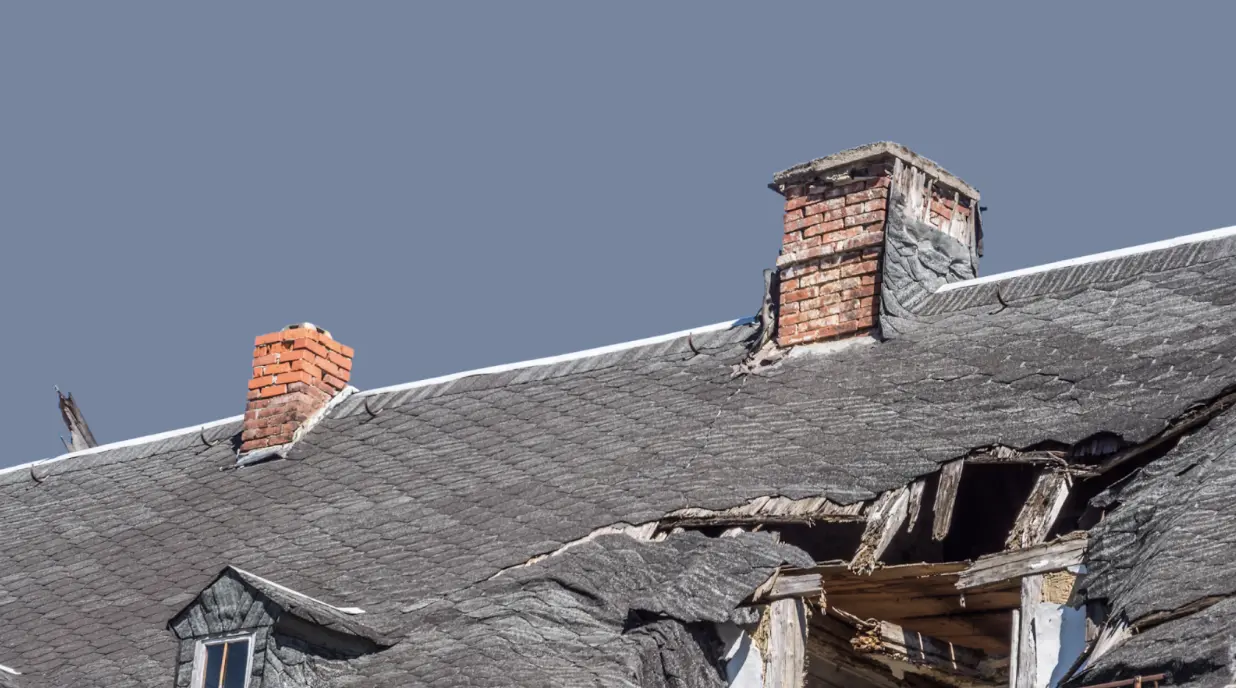
When a fire happens, everything feels chaotic at first. The alarms, the smoke, the rush to get everyone safe. But after the fire trucks leave and the immediate danger is over, a different kind of stress sets in. You walk back inside and the house doesn't feel like yours anymore. It smells different. The air feels heavy. Even rooms untouched by flames seem affected.
That's the part people don't always expect. Smoke.
In Florida, that lingering smoke can feel even worse. Humidity hangs in the air. Air conditioners run constantly. Odors seem to settle in and refuse to leave. That's where smoke damage restoration comes in. It's not just cleaning up what burned. It's about restoring your space so you can breathe comfortably again and feel at home.
Let's talk honestly about how it works.
What Smoke Damage Restoration Actually Means
When people hear "restoration," they often imagine someone scrubbing walls and repainting. But smoke damage restoration is much more detailed than that.
Smoke is made up of tiny particles. You can't see most of them, but they settle everywhere. On ceilings. Inside cabinets. Behind appliances. Inside your HVAC system. They cling to fabrics and sink into porous materials like drywall and wood.
And here's the thing most people don't realize: smoke can be acidic. If it sits too long, it can discolor paint, corrode metal, and permanently stain surfaces.
So restoration is about removing those particles properly. Not covering them up. Not masking the smell. Actually removing them.
When done right, the house should not just look better. It should feel clean again.
Why The Smell Seems To Come Back
You might notice something strange after a fire. The smell fades a little, then comes back days later. That's common in Florida.
Humidity can reactivate smoke residue trapped in walls, fabrics, and insulation. When the air conditioner kicks on or the weather changes, you may suddenly smell it again.
That doesn't mean your home is ruined. It just means smoke traveled deeper than you thought. Proper restoration takes this into account. It treats the source of the odor, not just the air.
Step One: A Careful Inspection
The first thing professionals do is inspect the property. And this part really matters.
Not all smoke is the same. A kitchen grease fire leaves a sticky film. An electrical fire leaves darker, harsher residue. A slow smoldering fire creates different cleanup challenges than a fast, intense one.
During inspection, they'll look at:
- How far smoke traveled
- What type of residue is present
- Whether the HVAC system is contaminated
- If water from firefighting caused additional damage
- What materials can realistically be saved
This stage sets the tone for everything else. If it's rushed, problems show up later.
Please Don't Start Scrubbing Right Away
It's completely natural to want to grab a sponge and start cleaning. You want the black marks gone. You want the smell gone. You want control back.
But wiping soot with water often makes it worse. It smears and pushes residue deeper into paint and drywall. That can permanently stain surfaces.
Instead, document everything first. Take photos. Take video. Save receipts. Then let professionals guide the cleaning process.
That patience can save you money and frustration.
Containment And Air Cleaning
Before heavy cleaning begins, affected areas are usually sealed off. Plastic barriers may be installed. Air scrubbers with HEPA filters are used to capture tiny smoke particles floating in the air.
It may look like overkill, but it's not. Without containment, soot can spread during cleaning.
In Florida homes, HVAC systems are often inspected early. Smoke can circulate through vents long after the fire if ductwork isn't addressed.
The Real Cleaning Process
Smoke cleaning is slower than most people expect. It often starts dry. Special sponges lift soot gently without smearing it. HEPA vacuums remove loose particles.
Then comes more detailed cleaning with solutions chosen specifically for the surface type. Wood is treated differently than drywall. Metal is treated differently than painted surfaces.
Areas commonly cleaned include:
- Ceilings and walls
- Light fixtures and fans
- Cabinets and inside drawers
- Doors and trim
- Appliances
- Closet interiors
It's common to discover soot in places you never imagined.
Odor Removal Is Not About Covering It Up
If someone sprays a fragrance and says the job is done, that's a red flag.
Real odor removal happens after soot is removed. Professionals may use specialized equipment designed to neutralize odor particles at a molecular level.
Because Florida air is humid, teams often monitor the space for a while. If humidity triggers a return of odor, they address it before calling the job complete.
This step is about long-term comfort, not a temporary fix.
When Water Damage Is Also Involved
Most fires involve water. Firefighters do their job, and that water soaks into walls, flooring, and insulation.
Now you're dealing with smoke and moisture at the same time.
Drying equipment is often brought in right away. Moisture levels are monitored carefully. In some cases, materials must be removed if they can't dry properly.
A remediation company in Florida may handle containment and removal of contaminated materials to prevent mold or lingering moisture issues.
It's not about tearing everything out. It's about making smart decisions so problems don't resurface months later.
Personal Belongings: The Hardest Part
This part is emotional. Clothes. Photos. Furniture. Electronics.
Some items can be cleaned. Some cannot. Professionals usually inventory and document everything carefully. Clothing may go through specialized cleaning. Electronics are inspected for corrosion from acidic soot.
It's okay to ask questions during this phase. You deserve to understand what's happening to your belongings.
The Rebuild Phase
Once cleaning and deodorization are complete, repairs begin.
Smoke can permanently stain drywall. Sealers may be applied before repainting. Some sections of drywall or insulation may need replacement.
This is where home restoration services in Florida handle rebuilding tasks like painting, flooring, cabinetry, and trim.
Some homeowners choose full service restoration in Florida providers who manage everything from cleanup through final repairs. That can make communication easier during an already stressful time.
Choosing The Right Restoration Services
Not every cleaning company specializes in smoke.
When interviewing restoration services, ask:
- How do you determine soot type?
- How do you confirm odor is gone?
- Will you inspect HVAC systems?
- How do you document your work?
Clear answers usually mean experience.
Working With Insurance During Fire Damage Restoration In Florida
Fire damage restoration in Florida often includes insurance claims. Take photos before work begins. Keep every invoice. Save emails and written estimates.
Restoration companies typically provide detailed scopes of work. Keep copies of everything. It makes conversations smoother and protects you if questions arise.
Organization might not feel important right now, but it helps more than you think.
What The Timeline Really Feels Like
Restoration is rarely quick. Small fires may take several days. Larger ones can stretch into weeks.
The process usually follows this flow:
- Inspection and containment
- Soot removal
- Odor treatment
- Drying if needed
- Selective demolition
- Repairs and painting
- Final walkthrough
There may be moments of frustration. That's normal. But steady, careful work produces better long-term results.
Final Thoughts
Smoke damage restoration is about more than cleaning up after a fire. It's about getting your life back to normal. It's about walking into your home and not smelling smoke. It's about feeling comfortable breathing deeply again.
In Florida's humid climate, thorough work matters even more. When smoke is removed properly and repairs are handled carefully, your home can truly feel like yours again.
Take it step by step. Ask questions. Choose experienced professionals. And give yourself grace during the process.
Frequently Asked Questions
How Long Does Smoke Damage Restoration Usually Take?
It really depends on how extensive the smoke damage is. A small kitchen fire that stayed contained may take several days for cleaning and deodorization. A larger fire that affected multiple rooms and involved water damage can take weeks, especially if rebuilding is required. In Florida, high humidity can slow drying and make odor verification take longer. A professional inspection is the best way to get a realistic timeline.
Can Smoke Damage Restoration Completely Remove The Smell?
In most cases, yes. But it only works when the source of the odor is fully removed. That means cleaning soot from surfaces, addressing HVAC contamination, and removing materials that cannot be salvaged. Masking sprays do not solve the problem. When restoration is done thoroughly, you should not continue smelling smoke weeks later, even when humidity levels change.
Is It Safe To Stay In My Home During Smoke Damage Restoration?
That depends on the severity of the damage. For light smoke exposure confined to one area, you may be able to stay in unaffected rooms. For heavier contamination, especially when demolition or strong odor treatments are involved, temporary relocation may be recommended. Restoration professionals will evaluate air quality and safety conditions before advising you.
What Should I Avoid Doing After A Fire?
Avoid scrubbing soot with water or household cleaners because this can smear residue and make stains permanent. Do not run your HVAC system until it has been inspected. Try not to move items unnecessarily before documentation is complete. Focus on safety and documentation first, then let trained professionals guide the cleanup process.
Does Smoke Damage Restoration Include Rebuilding Damaged Areas?
Often it does. After cleaning and deodorization, some areas may require drywall replacement, sealing, repainting, or flooring repair. Some companies focus only on cleanup, while others provide full reconstruction services. Always ask for a written scope so you understand exactly what is included and what the next steps will look like.
Need Smoke Damage Restoration?
Full Service Pros provides fire damage restoration in Florida including smoke odor removal, soot cleanup, and air purification. Contact us for a thorough assessment and a clear plan to restore your home after a fire.