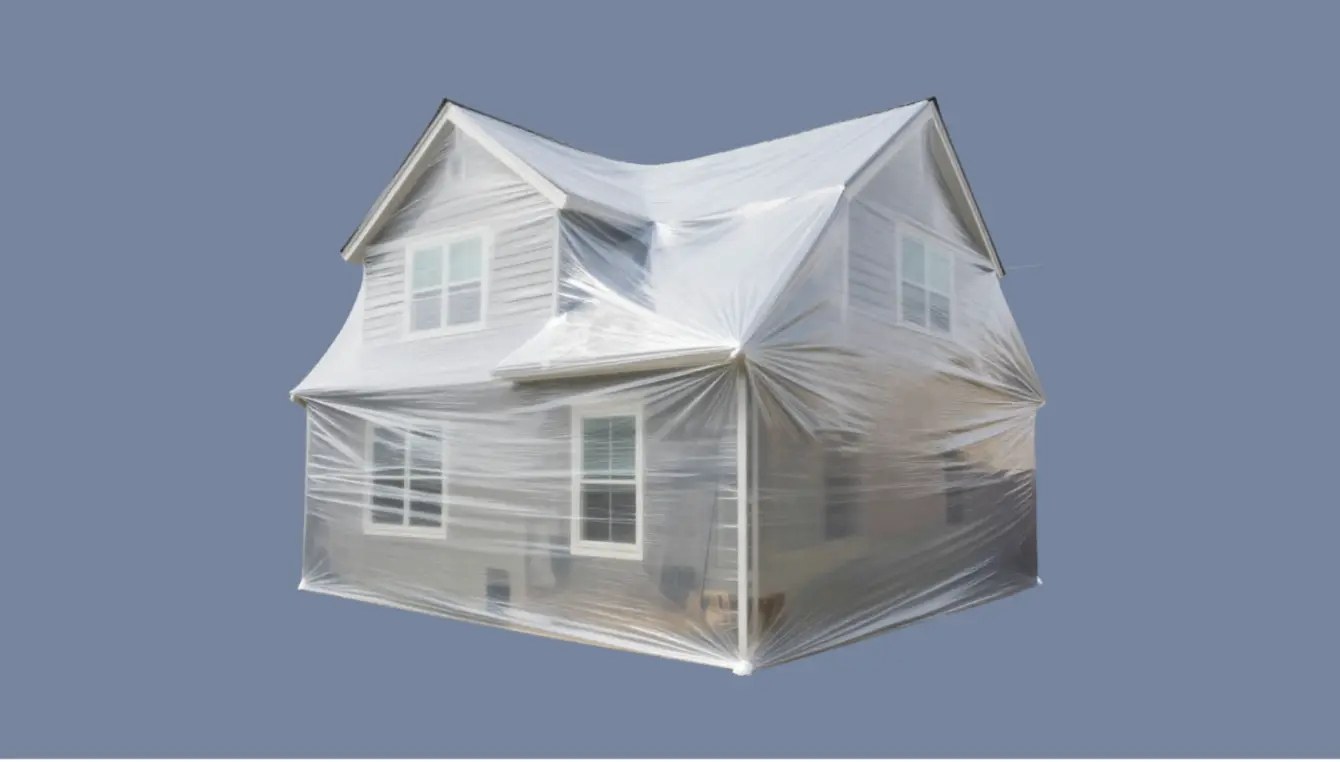
After property damage, most people focus on what they can see right away. A missing section of roof. A broken window. Siding peeled back by wind. Those issues are obvious, but the bigger risk often starts after the storm passes. Florida rain, heat, and humidity can turn exposed areas into ongoing water intrusion, interior damage, and mold conditions in a matter of days. That is why "temporary protection" is not a small detail. It can shape how expensive and disruptive the entire recovery becomes.
Shrink wrap protection is one of the most effective ways to secure damaged building areas quickly, especially when standard tarps do not hold well in high wind or complex structures. When done correctly, shrink wrap creates a tight, weather-resistant barrier that helps prevent secondary damage while repairs are being planned, scheduled, and approved. This article explains what shrink wrap protection is, when it is needed, how it compares to tarping, and what Florida property owners should know before hiring a contractor.
What Shrink Wrap Protection Means In Property Damage Situations
Shrink wrap protection is a temporary method of covering exposed or damaged parts of a structure using heavy-duty plastic sheeting that is anchored and heat-shrunk to create a tight seal. It is commonly used after storms, fires, or impact damage when a roof, wall, or window opening needs to be secured fast. Unlike loose coverings, shrink wrap is designed to resist wind uplift and limit water penetration by reducing gaps and flapping.
In practice, shrink wrap protection is used to stabilize a property while the next steps are arranged. That might include scheduling a roof replacement, waiting for materials, or giving an insurance adjuster time to inspect. It helps reduce the "second wave" of damage that often happens after the initial event, such as soaked insulation, damaged ceilings, warped floors, and ruined contents.
Why Temporary Protection Matters More In Florida
Florida weather is hard on partially open structures. Even a small opening can become a big issue because rain can enter repeatedly, and humidity can keep materials damp for long periods. When moisture remains trapped, drywall softens, wood swells, and odors develop. Once that happens, the cost and scope of repairs often expand.
Another Florida-specific challenge is timing. After a storm, contractors and roofers can be booked for weeks. If your property is exposed during that backlog, shrink wrap can buy you time. It is not the final repair, but it can protect the structure long enough to prevent additional losses.
When Shrink Wrap Is The Right Choice
Shrink wrap is not needed for every loss. Sometimes a simple patch or a small tarp is enough. Shrink wrap becomes more valuable when the exposure is large, the roof geometry is complicated, or wind conditions make standard temporary coverings unreliable.
Shrink wrap is often used when:
- A large section of roof is missing or compromised
- High winds are expected before permanent repairs can start
- Damage includes vertical openings like walls or large windows
- The property has steep slopes, multiple rooflines, or limited anchor points
- Tarping has failed or is likely to fail due to wind uplift
If your goal is to reduce the chance of more water entering the home, shrink wrap is often a strong option because it is designed to seal tightly and stay in place.
How Shrink Wrap Protection Works Step By Step
Shrink wrap protection is not just plastic thrown over a roof. A proper installation follows a process. The quality of that process affects whether it holds up during Florida weather.
Most jobs involve:
- Inspecting the damaged area and measuring coverage needs
- Clearing debris and identifying safe anchor points
- Installing the plastic sheeting and securing edges
- Heat-shrinking the material to tighten and reduce flapping
- Sealing seams and reinforcing vulnerable areas
A good crew will also take photos of the damage before and after the installation. That helps with documentation for insurance and provides a clear record of the property's condition at the time of loss.
Shrink Wrap Vs Tarping: What's The Difference?
Many owners are familiar with tarps because they are common after hurricanes. Tarps can be effective for smaller areas, especially when installed correctly. The problem is that tarps often loosen over time, especially in wind and rain. They can flap, tear, or pull away from anchor points, which creates gaps for water to enter.
Shrink wrap tends to perform better for large or complex exposures because it is tightened to the structure and reduces air pockets. It also often provides more consistent coverage across irregular shapes. That said, shrink wrap requires specialized materials and installation methods. The outcome depends heavily on workmanship.
A practical way to choose is to consider risk and timeline. If you need protection for a longer period while waiting for repairs, shrink wrap often provides more stability.
What To Do Immediately After Damage Before Any Covering Goes Up
Before tarps or shrink wrap are installed, document the damage. Take wide photos and close-ups. Capture rooflines, missing materials, impact points, and any interior signs of water intrusion. This step is easy to skip when stress is high, but it can matter later.
Also take steps to prevent further damage without creating new risks. Avoid climbing on the roof yourself. If you need emergency services, choose qualified professionals who can stabilize the area safely.
A helpful documentation checklist includes:
- Photos from multiple angles of the exterior damage
- Interior photos of ceilings, walls, and floors near the affected area
- A short written timeline of when the damage occurred or was discovered
- Receipts for emergency work and materials
Once you have that, you can move faster on temporary protection without losing track of the facts.
Working With A Remediation Company In Florida
After water intrusion, temporary protection is only one part of the solution. A remediation company in Florida often handles moisture detection, drying, and removal of water-damaged materials. Their role is to prevent ongoing damage inside the building, especially where moisture is trapped behind walls or under floors.
In many cases, shrink wrap protection and remediation work together. Shrink wrap helps stop new water from getting in. Remediation helps address the water that is already inside. If you only do one of these steps, you can still face expanding damage.
When hiring a remediation provider, ask how they document moisture readings and drying progress. Clear records can help confirm that the property was stabilized properly.
How Home Restoration Services In Florida Fit Into The Process
Once the property is stabilized and dried, the next phase is rebuilding. Home restoration services in Florida usually handle repairs like drywall, insulation, flooring, cabinetry, painting, and finish restoration. This is where high-quality documentation and scope planning can make the job smoother.
Restoration work often takes longer than owners expect, especially when specialized materials are involved or when multiple trades need to coordinate. Shrink wrap protection can keep the property safe while restoration schedules are arranged and materials are ordered.
If you are planning restoration, ask for a written scope and clear timeline. It helps you manage expectations and reduces delays.
When Full Service Restoration In Florida Makes Sense
Some owners prefer to work with one provider who can handle mitigation, repairs, and project coordination under one roof. Full service restoration in Florida may include emergency boarding, tarping or shrink wrap, water mitigation, contents handling, and rebuild services.
This approach can reduce coordination stress because you are not juggling multiple vendors. It can also speed up scheduling when a single team manages the timeline from stabilization to rebuild. The key is confirming what is included in writing so there are no surprises about scope and billing.
Full service providers can be especially helpful after storms when contractor availability is limited and delays are common.
Choosing The Right Restoration Services After Temporary Protection
Temporary protection is the first step, not the finish line. Once the property is sealed, you still need a plan for repairs. Choosing the right restoration services means looking for professionalism, documentation, and communication.
A good restoration provider typically offers:
- Clear written estimates with line-item scope
- Photos and documentation of damage and progress
- Timelines for each phase of work
- Guidance on what should be addressed immediately versus later
- Coordination with trades when needed
Ask how they handle change orders, material delays, and hidden damage found during demolition. These issues are common, especially after water intrusion.
When To Use Tarping & Shrinkwraps In Florida
Tarping & shrinkwraps in Florida are often used as emergency measures after storms, fire damage restoration in Florida, or impact losses that leave openings exposed. The right choice depends on the size and shape of the exposure, the expected weather, and how long repairs will take to begin.
If repairs can start quickly and the damaged area is small, tarping may be enough. If the exposure is large, wind risk is high, or you need more reliable sealing for weeks, shrink wrap may be the safer option. A professional can help evaluate which approach is more appropriate based on your roofline, anchor options, and damage type.
The most important point is speed. Temporary protection should be installed as soon as it is safe, because secondary damage is often what makes a claim and repair project balloon.
Insurance, Documentation, And Temporary Protection
Many property owners wonder whether shrink wrap or tarping is reimbursable. Coverage depends on your policy and the cause of loss, but insurers often expect you to take reasonable steps to prevent further damage. Temporary protection can be part of that effort.
To protect yourself, keep:
- Photos before temporary protection is installed
- The invoice for the work
- Any written notes explaining why emergency stabilization was needed
- Photos after the protection is installed
This documentation supports your claim and shows that the work was done to prevent secondary damage.
Conclusion
Shrink wrap protection is one of the most reliable ways to secure a property quickly after damage, especially in Florida where wind and rain can make standard temporary coverings fail. When used at the right time, shrink wrap can prevent the kind of secondary water damage that turns a manageable repair into a costly restoration project.
If your property has a large exposure, complex rooflines, or a longer wait for repairs, shrink wrap protection can buy valuable time. Pairing temporary protection with proper drying and restoration planning helps you stabilize the property, protect interiors, and move forward with fewer surprises.
Frequently Asked Questions
What Is Shrink Wrap Protection And Why Is It Used After Property Damage?
Shrink wrap protection is a temporary method of covering exposed areas with heavy-duty plastic that is anchored and heat-shrunk to create a tight seal. It is used after property damage to reduce water intrusion, limit wind-related tearing, and protect interior materials while permanent repairs are scheduled. In Florida, it is often used after storms because even short periods of exposure can cause secondary damage inside the home.
When Should I Choose Shrink Wrap Protection Instead Of A Tarp?
Shrink wrap protection is often a better choice when the exposed area is large, the roofline is complex, or high wind is expected. Tarps can work for smaller sections, but they can loosen or tear over time. If you need temporary coverage to hold for weeks while repairs are planned or approved, shrink wrap may provide a more stable barrier and reduce the chance of repeated water intrusion.
How Long Can Shrink Wrap Protection Stay On A Property?
Shrink wrap protection can stay in place for a limited period depending on weather conditions, installation quality, and local requirements. It is designed as temporary stabilization, not a permanent repair. In Florida, it is commonly used to protect a structure during contractor backlogs or insurance inspection delays. You should ask the installer how long they expect it to hold and what maintenance checks are recommended.
Does Shrink Wrap Protection Prevent Mold After Water Damage?
Shrink wrap protection helps by limiting new water entry, which reduces ongoing moisture exposure. However, it does not remove water that is already inside the structure. If water intrusion occurred, drying and remediation steps are still needed. Mold risk is reduced when the property is sealed promptly and internal moisture is properly addressed through professional drying and monitoring.
What Documentation Should I Keep If I Install Shrink Wrap Protection?
Before installation, take photos and video of all damaged areas, including wide shots and close-ups. Keep the invoice for the shrink wrap work, along with any notes explaining why emergency stabilization was needed. After installation, take photos showing the coverage and attachment points. This record supports insurance communication and shows that you took steps to prevent additional damage.
Need Emergency Shrink Wrap or Tarping?
Full Service Pros provides emergency tarping and shrinkwrap services across South Florida. Contact us for rapid response after storm damage, fire, or structural loss — we help secure your property and prevent secondary damage while you plan permanent repairs.