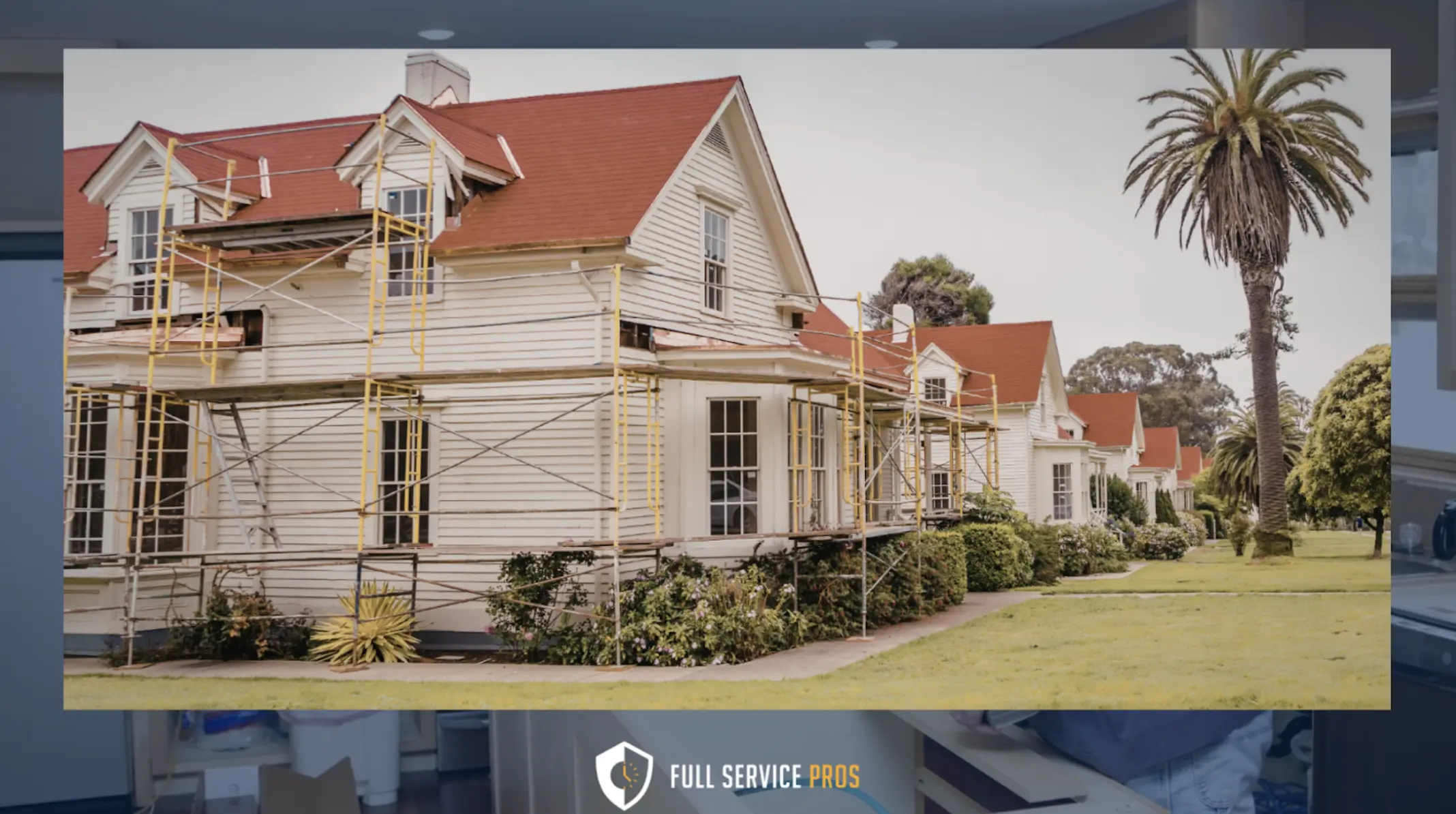
If you live in Florida long enough, your home ends up with a story. Maybe it is the tropical storm that peeled a few shingles off the roof, the pipe that burst while you were away for the weekend, or the slow leak that you did not notice until the baseboards started to swell.
In those moments, your house can stop feeling like a refuge and start feeling like a project. You are looking at stains, warped floors or a smell you cannot ignore, and thinking, "Is this fixable, and who do I call first?"
That is where Home Restoration comes in. It is the work that helps a damaged house feel like home again, not just patched on the surface but safe, dry and livable behind the walls too. This guide walks through what Home Restoration really is, how it plays out in Florida and how to tell when it is time to bring in professionals instead of trying to carry the whole situation yourself.
What Home Restoration Really Means
Home Restoration is the process of repairing and cleaning a property after it has been damaged by water, fire, mold, storms or long term neglect. The goal is not new design trends. The goal is to get the building back to a condition where you can live in it comfortably, breathe easily and trust the structure again.
Unlike a simple repair, Home Restoration looks beyond the obvious. A loose shingle is a repair. A roof leak that soaked insulation and drywall is a restoration problem. The work follows a plan so that hidden moisture, smoke or mold does not linger and cause trouble months later.
Typical Home Restoration services include:
- Extracting water and thoroughly drying building materials
- Removing smoke, soot and odor after a fire
- Addressing mold growth and improving air quality
- Repairing framing, insulation, drywall and flooring
- Cleaning and sanitizing surfaces and contents affected by the damage
In Florida, where heat and humidity give water extra staying power, careful restoration work can be the difference between a one time event and a repeating headache.
Common Ways Florida Homes Get Damaged
Florida homes face a mix of sudden shocks and slow, quiet problems. The weather, the age of the property and even daily habits all play a role. Many owners do not see the full scope of damage until they start moving furniture or pulling up flooring.
Frequent triggers for Home Restoration include:
- Roof leaks during heavy rain or wind events
- Burst supply lines to sinks, ice makers or washing machines
- Backed up drains and sewage issues
- Flooding from storm surge or rising groundwater
- Small kitchen fires that leave smoke and soot throughout the house
- Poor ventilation that allows moisture and mold to build up over time
Sometimes the first clue is small: a musty smell in one room, paint that bubbles on a bathroom wall, flooring that feels a little soft underfoot. Other times it is dramatic, like standing water in a living room. In both cases, Florida's climate can turn a minor incident into a bigger problem if moisture is not handled properly.
Home Restoration In Florida and Surrounding Areas
When people talk about home restoration in Florida, they are usually talking about bringing a house back after water or storm damage. The state's mix of coastal exposure, intense thunderstorms and high humidity makes moisture the main character in many stories.
Restoration work here has to respect:
- Local building codes for wind, flood and structural safety
- The way humidity affects drying times and material choices
- Potential for mold growth if damp areas are not treated correctly
- Insurance requirements and documentation standards for claims
That often means more than setting up a fan and hoping for the best. Professionals use moisture meters and thermal cameras to find water in wall cavities, behind baseboards and under tile. They set up dehumidifiers and air movers to dry materials from the inside out, not just on the surface.
A well planned Florida restoration project aims to leave the home dry, solid and ready for long term repairs, not just presentable for a few weeks.
Repair, Remodeling And Restoration: How They Fit Together
It helps to think of repair, remodeling and Home Restoration as three tools in one toolbox. Each has its own job, and they often appear together during a larger project.
- Repair: Fixes one clear issue, such as replacing a broken pipe or patching a small hole in the roof.
- Home Restoration: Handles the damage that issue caused, such as drying wet framing, treating mold and replacing damaged drywall.
- Remodeling: Uses the moment to improve layout or finishes, like updating a dated bathroom after the water damage is cleared.
Imagine a leak in an upstairs bathroom. A plumber may repair the pipe. A restoration crew then dries the structure, removes moldy materials and rebuilds the ceiling downstairs. If you decide at that point to enlarge the shower or change tile, that part becomes a remodeling project layered onto the restoration work.
Keeping the roles clear helps you talk with contractors, insurance adjusters and family members about what must happen now for safety and what can become part of a longer term upgrade plan.
When To Call Home Restoration Professionals
Florida homeowners are often handy. Many people patch drywall, change fixtures or paint a room without blinking. The challenge is knowing when a situation has crossed the line from "weekend project" into "Home Restoration" territory.
Reasons to call professionals include:
- Water has affected more than a small, contained area
- Carpets, drywall or insulation feel wet or smell musty
- You see visible mold or your family notices breathing issues indoors
- There is smoke residue or odor after a fire, even a small one
- Structural pieces like ceilings, subfloors or beams look compromised
- You are unsure how to document the damage for insurance
In those situations, the risk is not just cosmetic. Hidden moisture can feed mold, weaken materials and attract pests. Specialists bring tools and training that are hard to match with household equipment, and they can help you decide what can be dried and saved and what needs to be removed.
What A Professional Home Restoration Process Looks Like
From the outside, restoration work can look like a blur of hoses, fans and workers taking things apart. Behind that activity is a sequence designed to stop damage, dry the home and then rebuild it in a controlled way.
A typical process might include two main parts. The first focuses on stopping the emergency and stabilizing the house. That means turning off water sources, tarping roofs, extracting standing water and removing anything that is clearly ruined. The second part focuses on careful drying, cleaning and rebuilding. That includes taking moisture readings, adjusting equipment, cutting out damaged drywall and putting the structure back together.
Along the way, you might see steps like:
- Removing baseboards to dry behind walls
- Lifting sections of flooring to check the subfloor
- Using air scrubbers to improve indoor air quality
- Treating exposed framing with antimicrobial products
A good restoration company will walk you through these decisions so you are not watching material disappear without understanding why. That conversation matters, especially when you are tired, stressed and juggling family routines around the work.
Working With Insurance And Local Specialists
After a major leak or fire, you are often dealing with two stories at once: the emotional impact of damage to your home and the paperwork side with your insurer. Home restoration company in Florida handle both every day, which can take some weight off your shoulders.
Many providers will:
- Help you create a clear record of the loss with photos and measurements
- Prepare detailed estimates that match insurance formats
- Speak directly with adjusters about the scope of damage
- Keep you informed about what the policy appears to cover
In some cases, your project may involve a dedicated remediation company in Florida for mold or hazardous materials, followed by a separate team for reconstruction. Some firms handle both under one roof and coordinate subcontractors behind the scenes so you have a single main contact. The right setup depends on the size of the job, your schedule and your comfort level.
Simple Habits That Reduce Future Home Restoration Needs
No one can promise a home will never need restoration work again, especially in a state where storms are part of the landscape. Still, a few steady habits can lower the odds or reduce the scale of damage when something does happen.
Helpful practices include:
- Having the roof and gutters checked before and after peak storm season
- Replacing old supply lines on toilets, sinks and washing machines
- Running exhaust fans during and after showers to keep bathrooms dry
- Looking behind furniture now and then for stains, peeling paint or warped trim
- Scheduling regular air conditioning maintenance, including drain line cleaning
These habits do not remove risk, yet they often turn "total mess" into "manageable incident." They also give you a better feel for what is normal in your home so that small changes stand out sooner.
Bringing A Florida Home Back To Life
There is a moment after a restoration project wraps up when the fans are gone, the dust has settled and you walk through your home with fresh eyes. The walls look like themselves again. The air smells clean. The fear that you were carrying in the back of your mind starts to quiet down.
That moment is what Home Restoration is really about. It is not just new drywall or fresh paint. It is the feeling that your house is on your side again instead of being another source of stress.
If you are currently dealing with damage, it can help to remember that restoration work has a beginning, middle and end. You do not have to map every step by yourself. A short call with a local restoration professional can give you a clearer sense of what needs attention, how long it may take and how to keep daily life moving while your home heals.
Frequently Asked Questions
What is Home Restoration, in simple terms?
Home Restoration is the process of repairing and cleaning a house after it has been damaged by events like leaks, floods, fires or mold. Instead of focusing on design upgrades, Home Restoration focuses on drying, disinfecting and rebuilding so the property is safe and comfortable again. In Florida, that often means careful moisture control and repairs that respect local wind, flood and building code requirements.
How fast should I start Home Restoration after water damage?
For water related issues, speed matters. In Florida's heat and humidity, damp materials can encourage mold growth within a short period. Starting Home Restoration work within the first day or two gives you a better chance of drying materials before they need to be removed. A professional team can assess which parts of the structure can be saved and how many dehumidifiers and air movers are needed.
Does insurance usually help pay for Home Restoration?
Many homeowners policies in Florida contribute to Home Restoration costs for sudden and accidental events, such as burst pipes or storm related roof damage. Coverage details vary, and flood damage from rising water often falls under separate policies. During Home Restoration, keep communication open between your contractor and your adjuster so estimates, photos and moisture readings line up with what your policy requires.
Can I stay in my house while Home Restoration is happening?
Sometimes you can, sometimes it is safer to leave temporarily. The answer depends on how much of the home is affected, whether there is mold or smoke present and how disruptive the work will be. For smaller home restoration projects, families often live in unaffected rooms while crews work in one area. For large water or fire losses, short term relocation may protect your health and sanity while the home is dried and repaired.
How do I pick a Home Restoration company I can trust?
Start by looking for proper licensing, insurance and experience with home restoration projects similar to yours. Ask how quickly they respond, what equipment they use and how they keep you updated. A trustworthy provider explains their process in plain language, offers a written scope of work and answers questions without pressure. Local reviews and referrals from neighbors or insurance agents can help you feel more confident in your choice.
Ready to Start Your Restoration?
If your Florida home has been damaged by water, fire or mold, do not wait. Contact Full Service Pros for a free consultation — our restoration team responds quickly to assess the damage, protect your property and get your home back to a safe, livable condition.